







 The Elder Scrolls IV: Oblivion
 The Elder Scrolls V: Skyrim
 The Elder Scrolls: Online
 Fallout: New Vegas
 Fallout 4
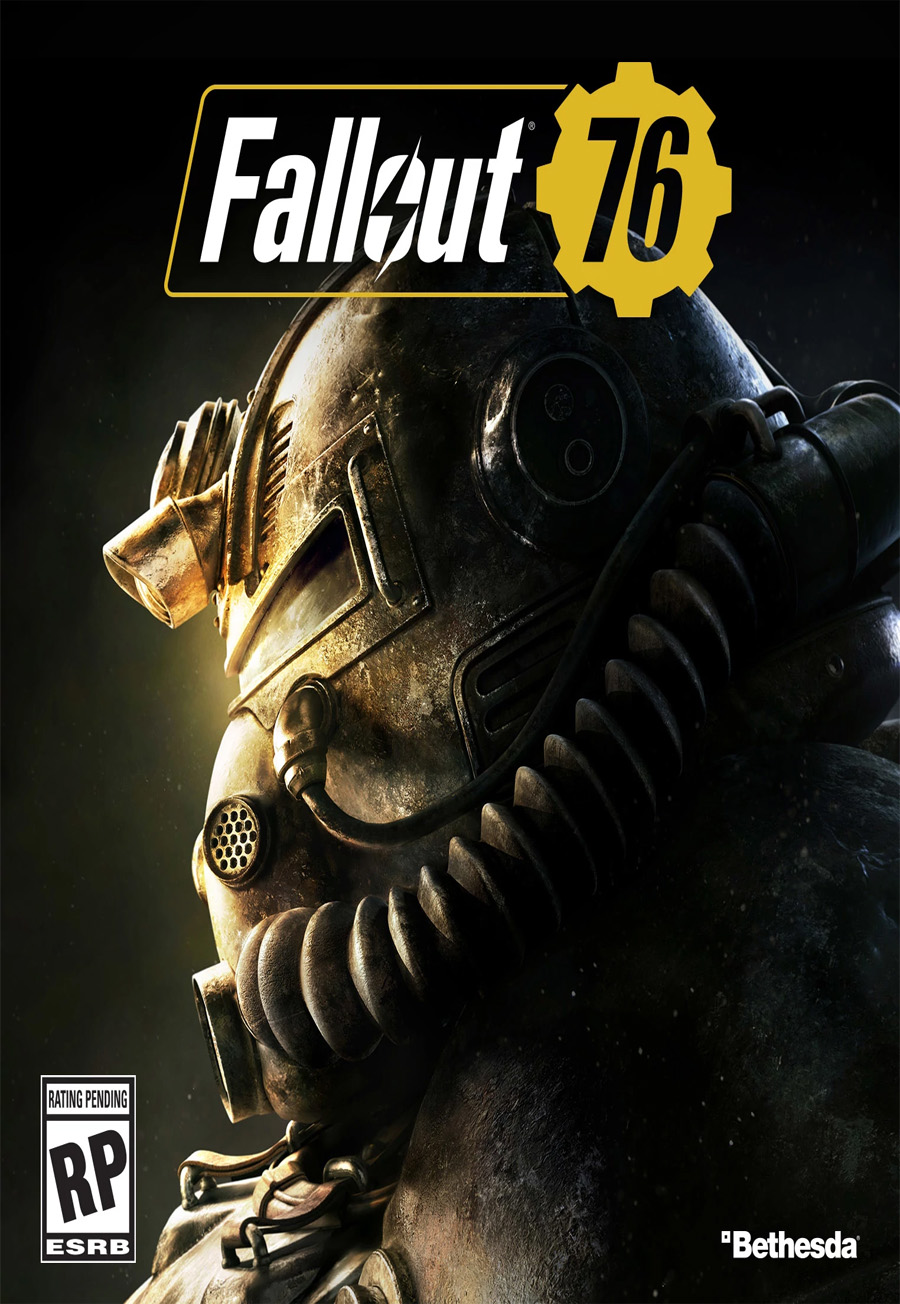 Fallout 76
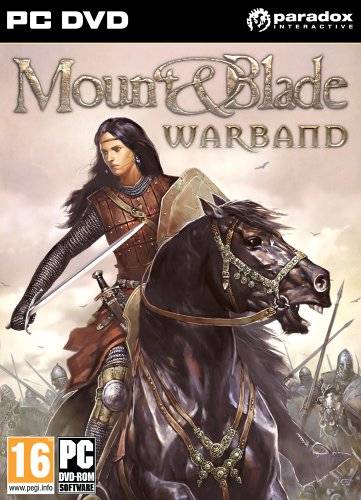 Mount & Blade: Warband
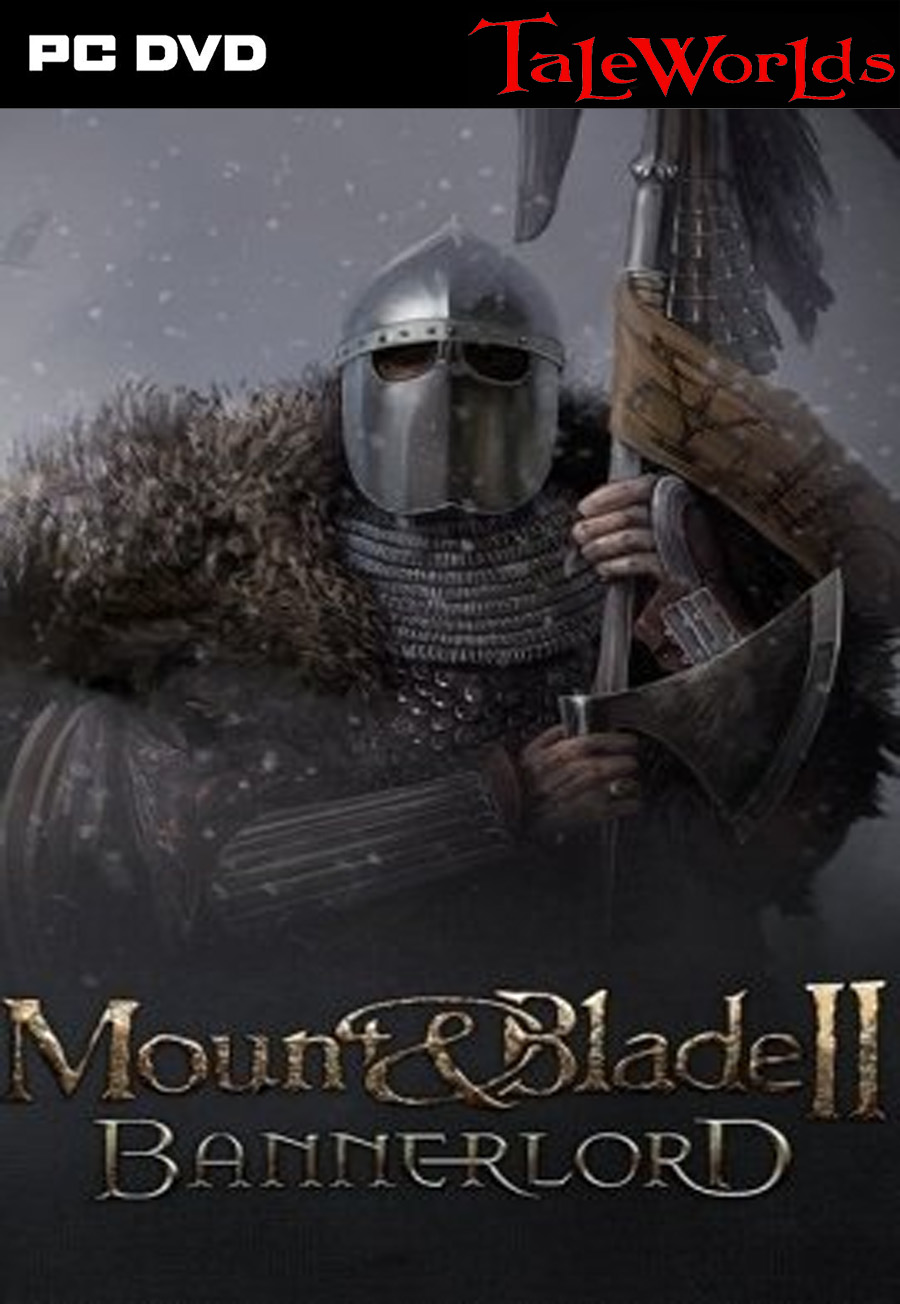 Mount & Blade II: Bannerlord
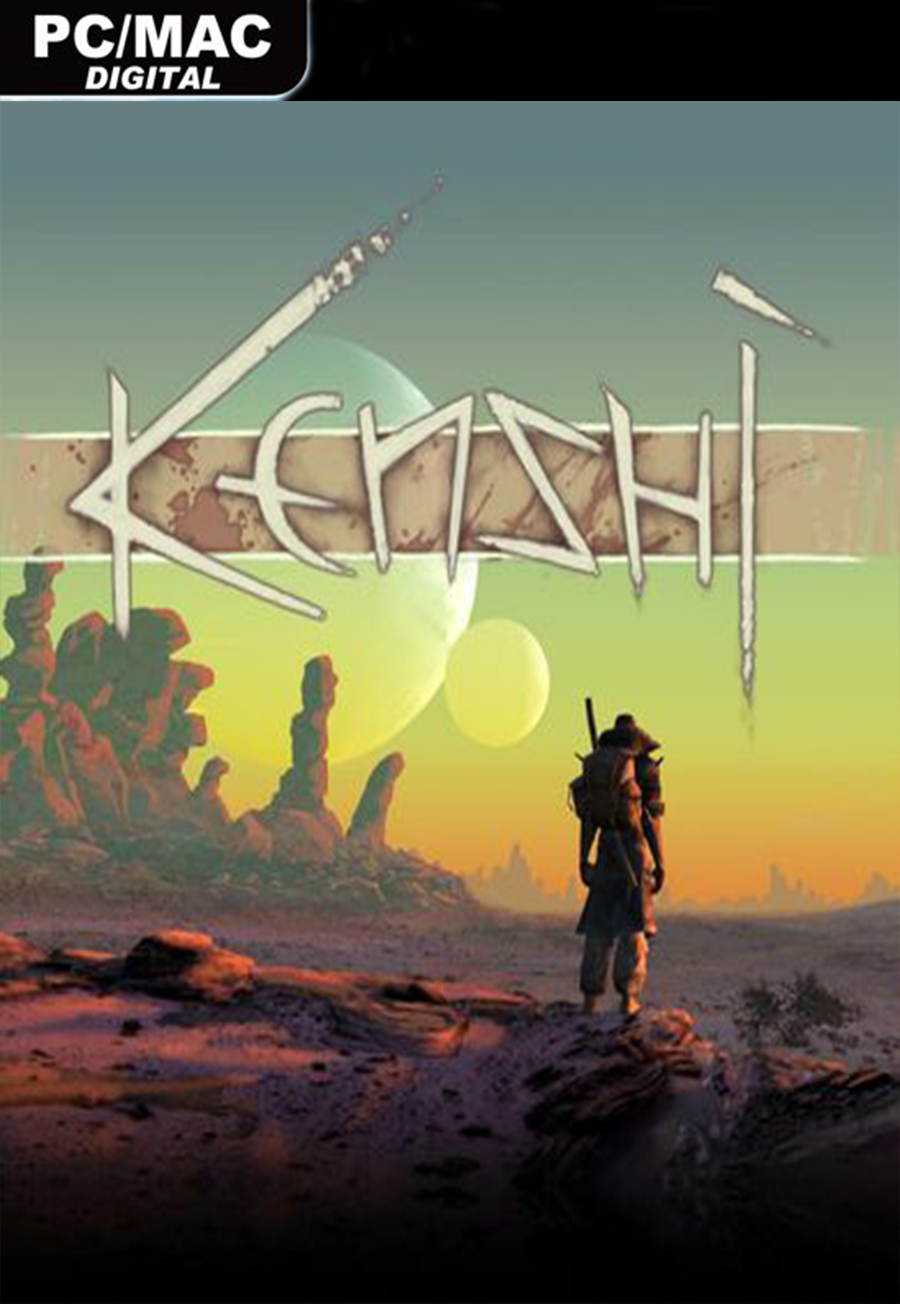 Kenshi
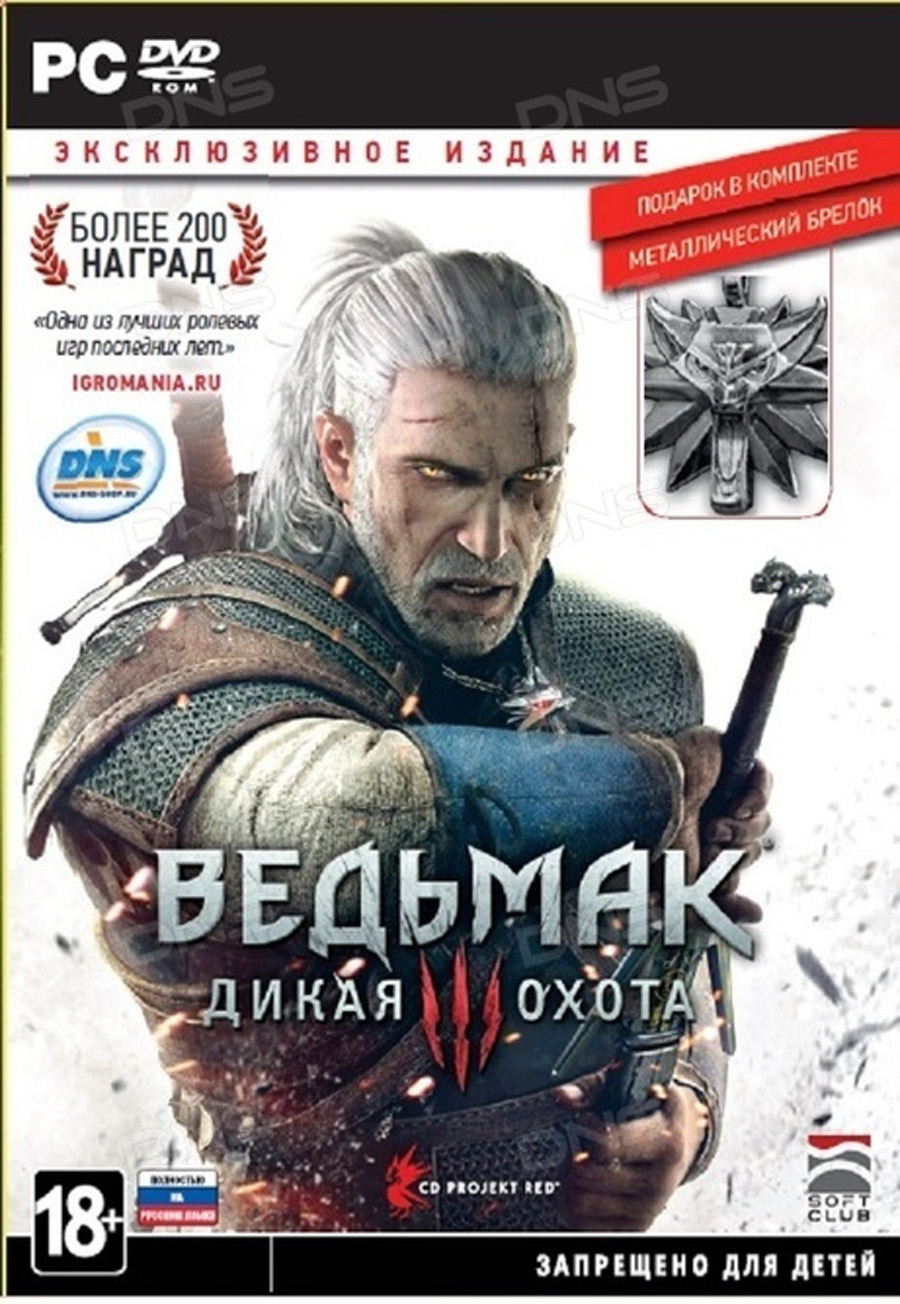 The Witcher 3: Wild Hunt
 Cyberpunk 2077
 Kingdom Come: Deliverance
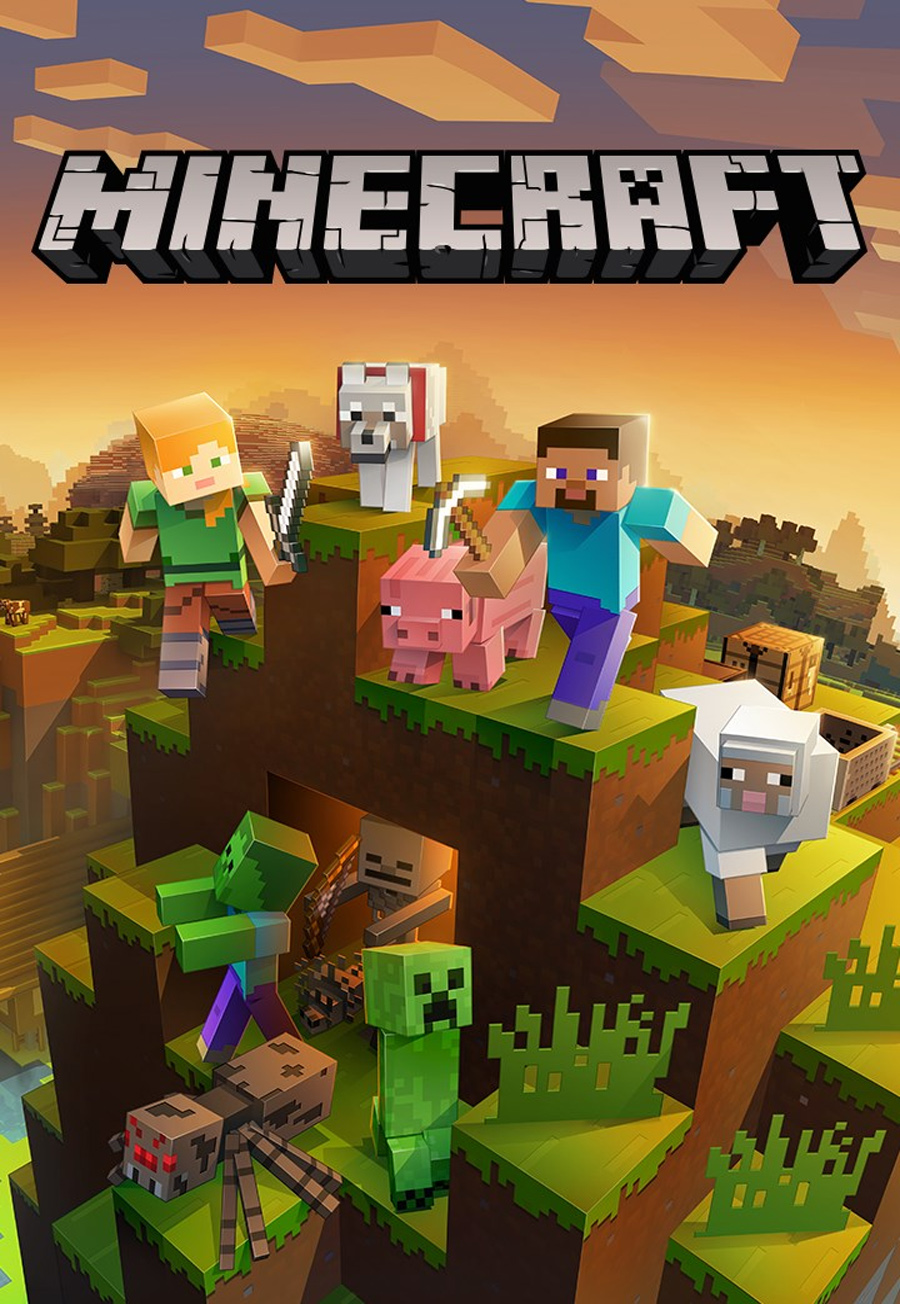 Minecraft
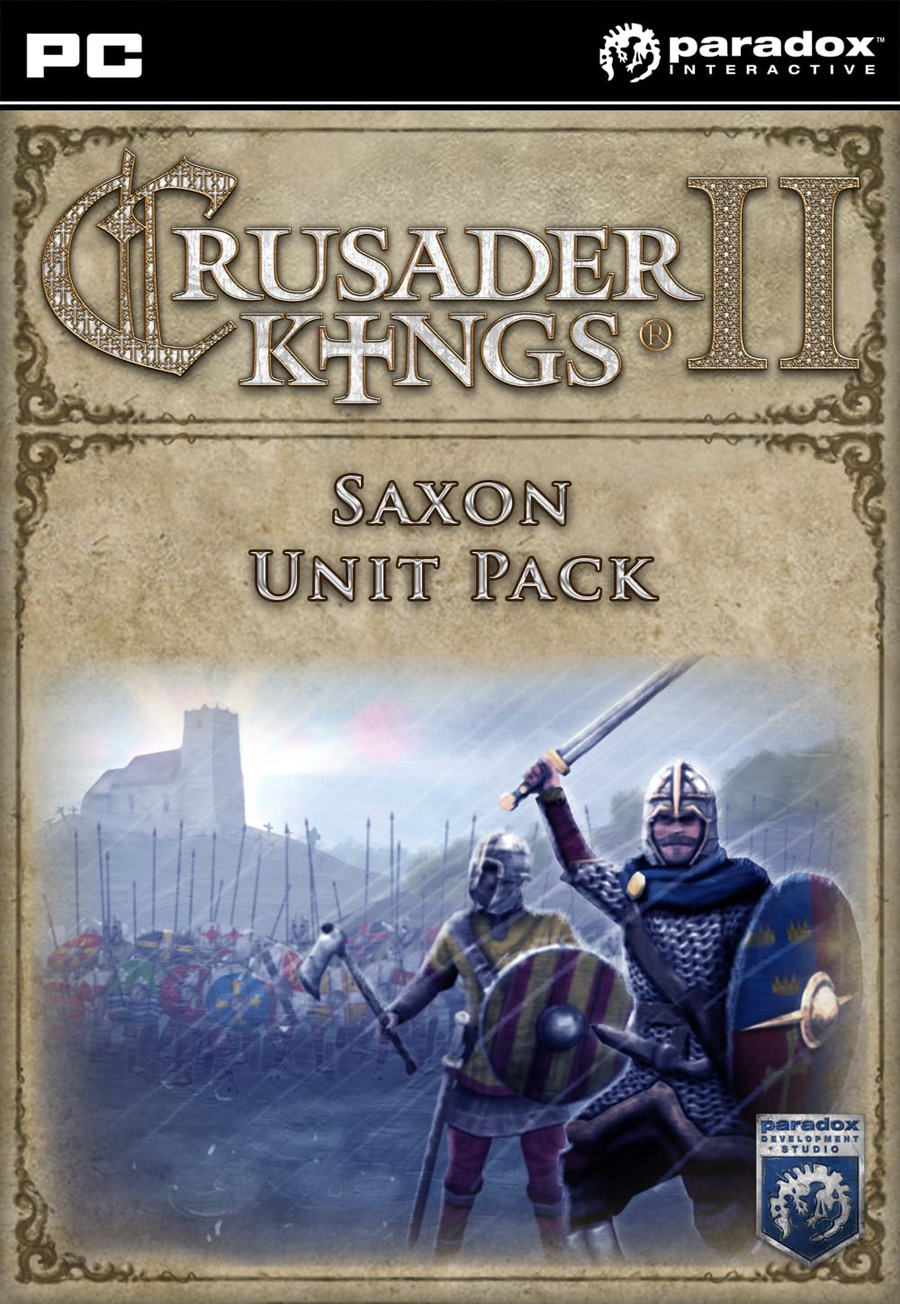 Crusader Kings 2
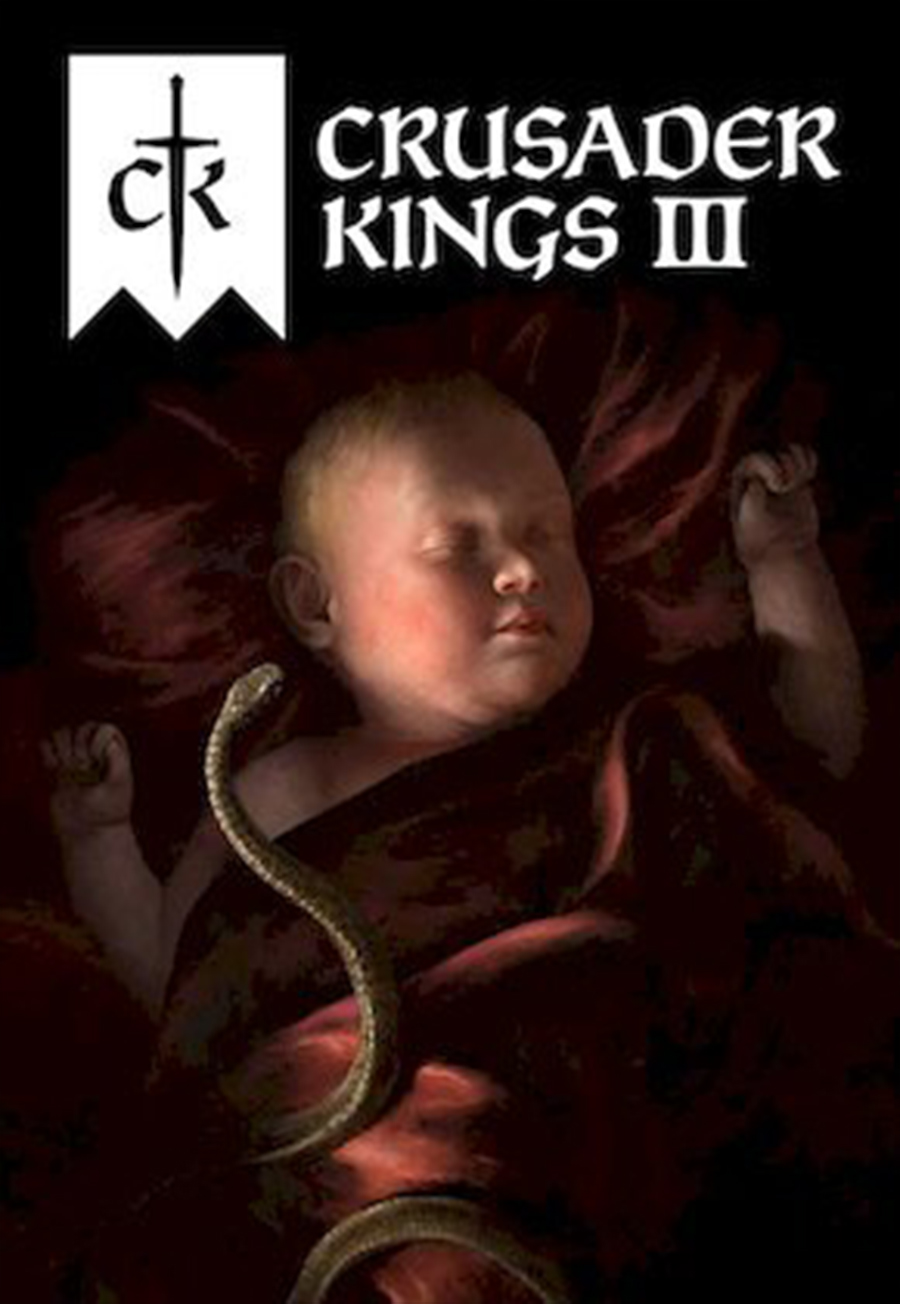 Crusader Kings 3
 Hearts of Iron IV
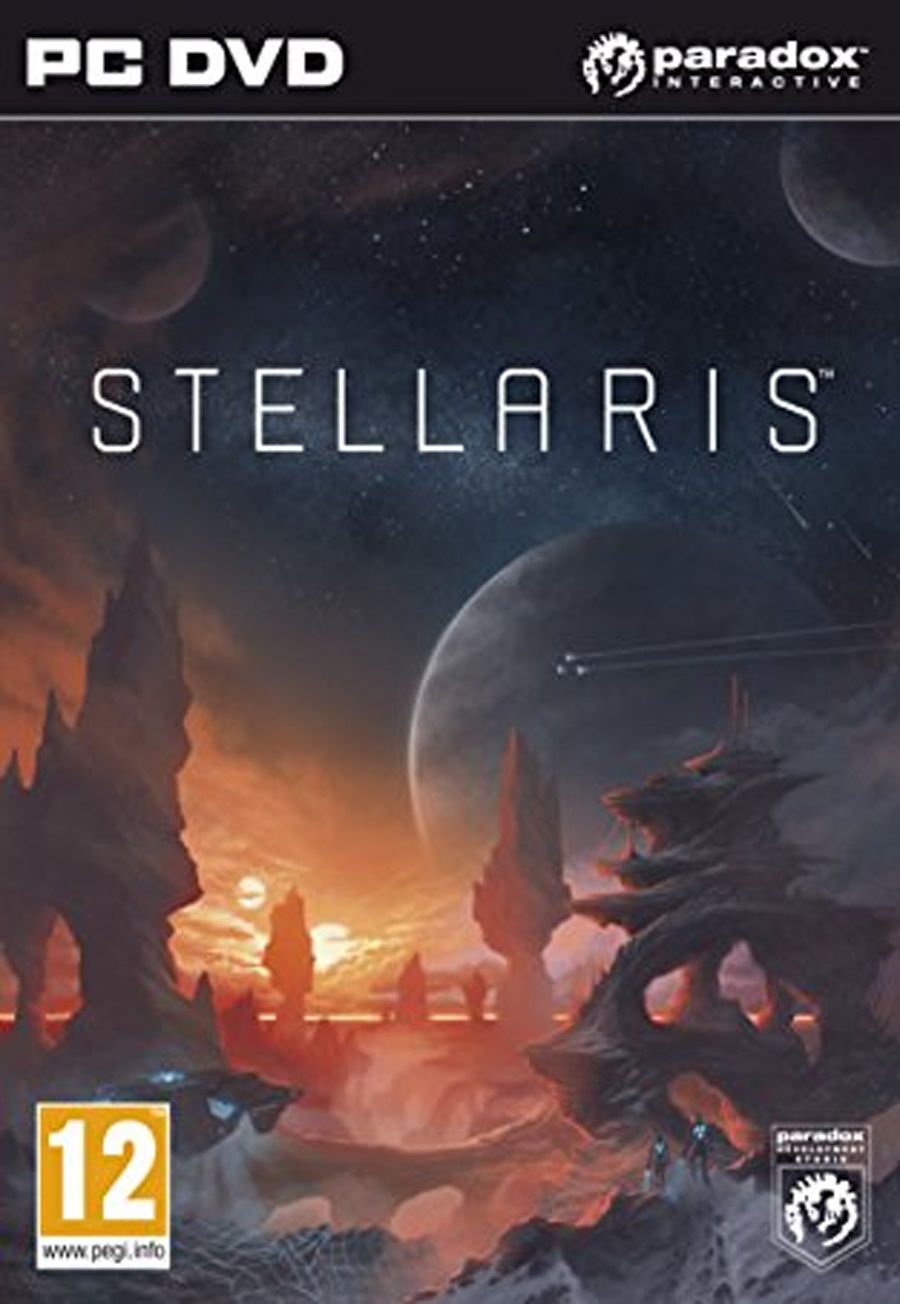 Stellaris
 Cities: Skylines
 Cities: Skylines II
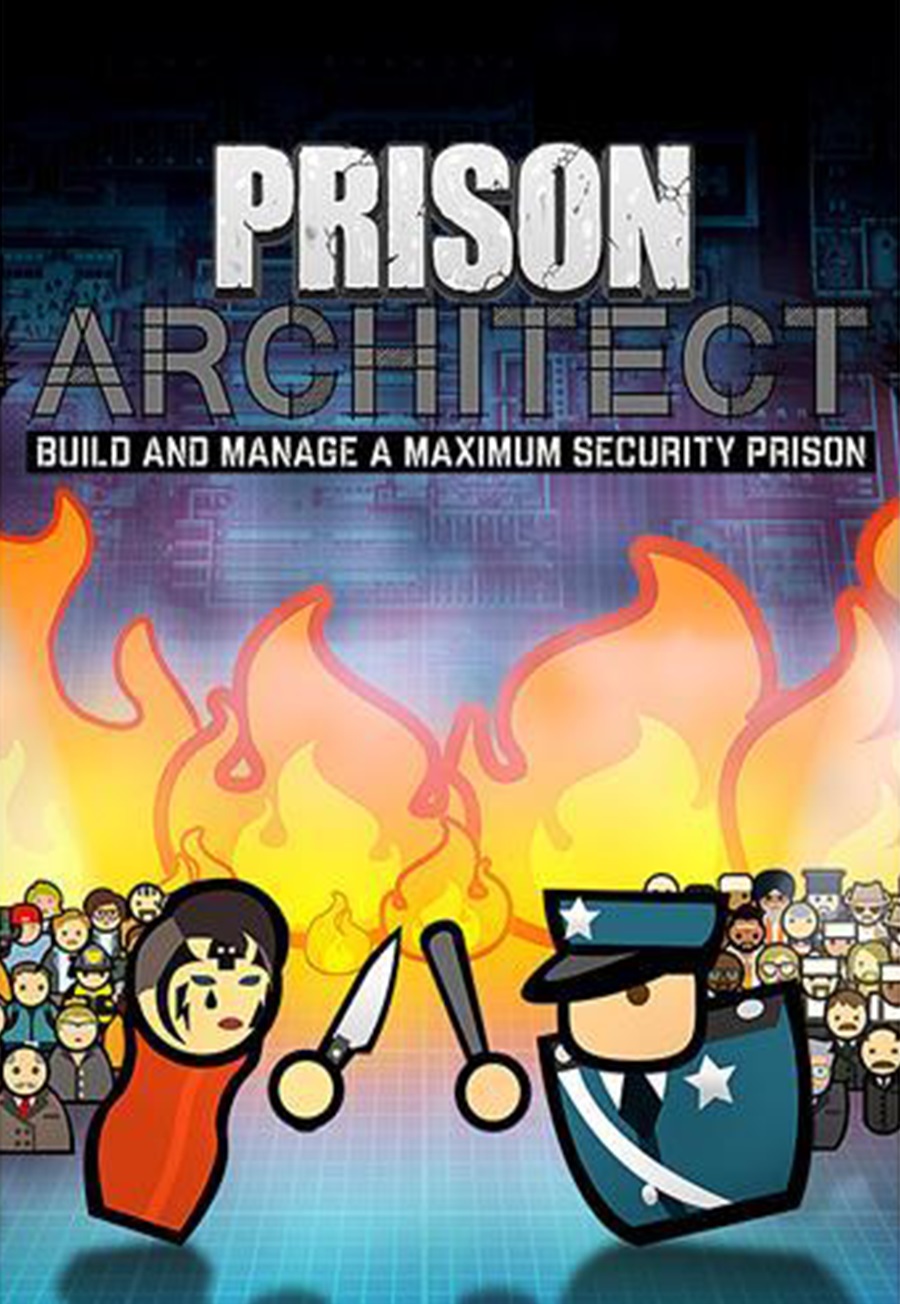 Prison Architect
 RimWorld
 Euro Truck Simulator 2
 American Truck Simulator
 Microsoft Flight Simulator 2020
 Farming Simulator 17
 Farming Simulator 19
 Spintires и Spintires: MudRunner
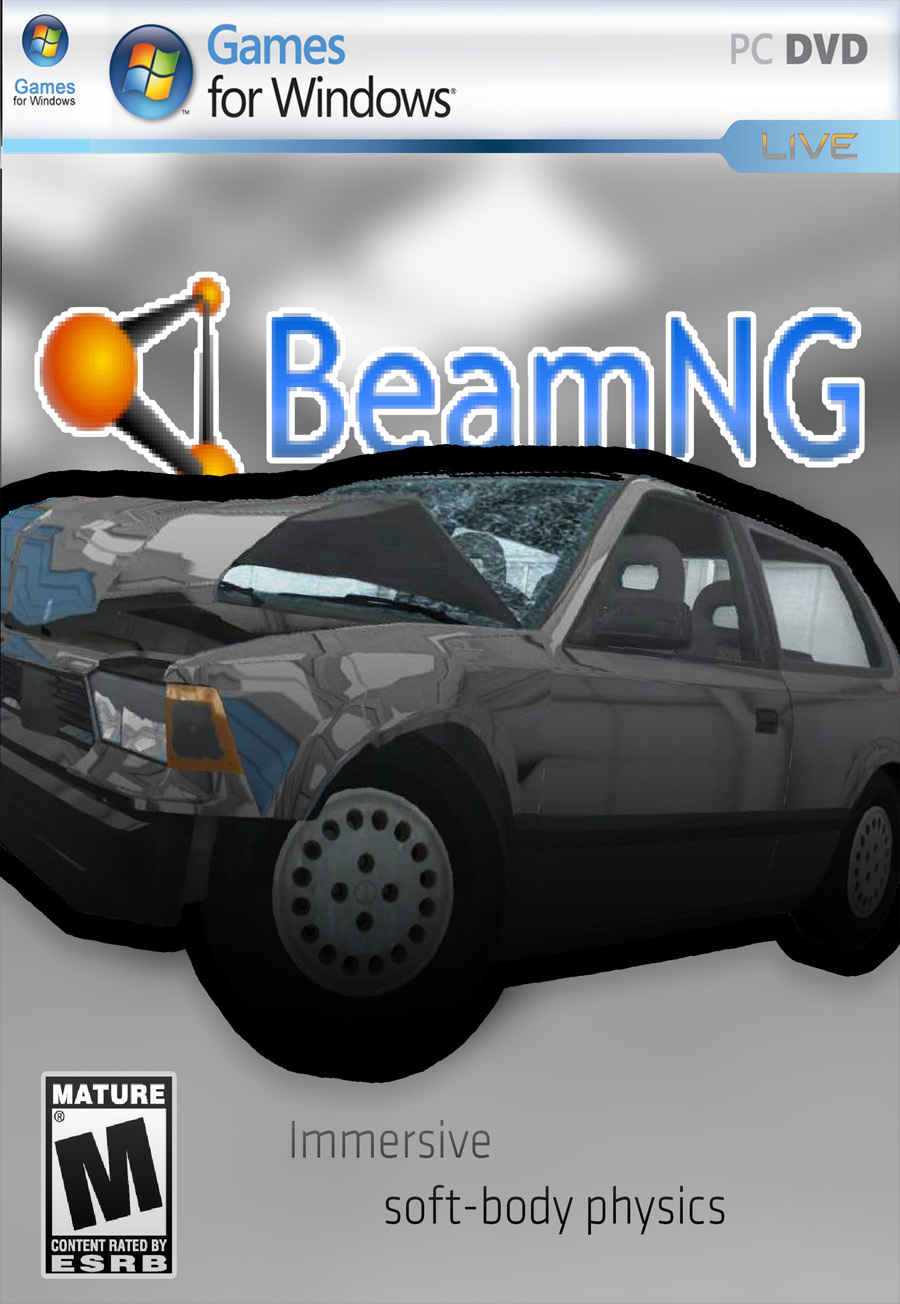 BeamNG.drive
 My Summer Car
 My Winter Car
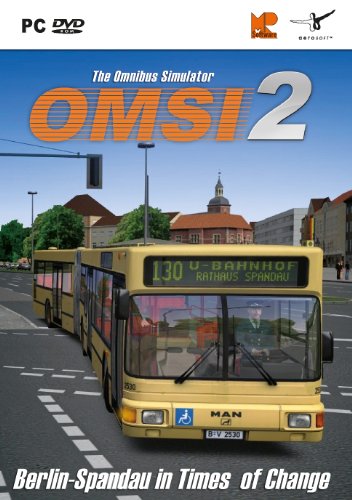 OMSI 2
 Grand Theft Auto: V
 Red Dead Redemption 2
 Mafia 2
 Stormworks: Build and Rescue
 Atomic Heart
 Hogwarts Legacy
Using leetspeak ("3l c3r3br0") anchors the subject in early internet culture. It represents a "coded" language that once separated the digital elite from the uninitiated.
The quest to "upload" the brain, reducing the messy biology of neurons into a clean, searchable archive. IV. The "Extraction" Process
The title immediately evokes the image of the human brain not as a biological organ, but as a data packet. In the digital age, we increasingly treat our memories, personalities, and intellectual outputs as files to be stored. The use of .rar —a compression format—suggests a tension between the vast complexity of human thought and the limited "storage space" of digital media and human attention. II. Leetspeak and Digital Identity
It reflects an era of forums, file-sharing, and digital mystery.
"3l c3r3br0.rar" is more than a file name; it is a symbol of the modern human condition. We are archives in waiting, compressed by the weight of digital existence, hoping for an "extractor" who understands the code.
Since "3l c3r3br0.rar" (leetspeak for "el cerebro.rar") appears to be a conceptual or enigmatic title—likely referencing digital artifacts, the "brain" as a compressed file, or internet subcultures—this draft essay explores the intersection of human consciousness and digital preservation. I. The Archive of the Self
How we condense complex experiences into "bites" of data for social media or digital archives.
What happens when we "unrar" the brain? The essay posits that the act of decompression is where the humanity lies. While the .rar file is static and cold, the act of reading, interpreting, and "extracting" those thoughts brings the "cerebro" back to life. It is the interaction between the user and the file that restores meaning.


