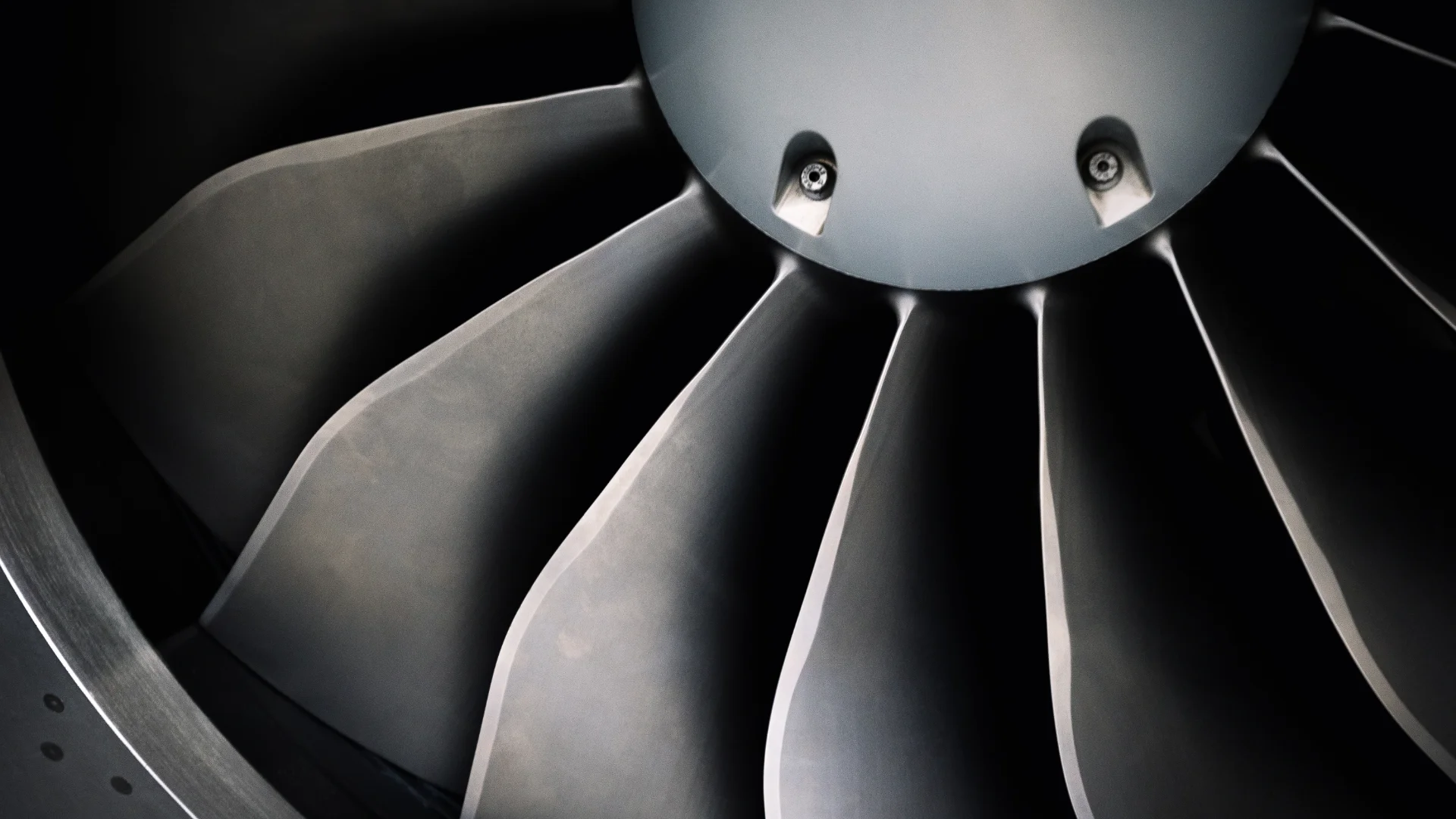
Embraer is one of the world’s aerospace industry leaders, operating in the Commercial Aviation, Executive Jets, Defense & Security, and Services & Support segments. With over 55 years of aeronautical expertise and a culture of excellence focused on safety, quality and sustainability, we are shaping the future of air mobility.
: As saprotrophs, they are vital for carbon and mineral cycling, breaking down dead wood in unmanaged forests. 2. Armillaria Root Disease
: A single colony of Armillaria ostoyae in Oregon's Malheur National Forest covers roughly 2,200 acres (3.4 square miles). It is estimated to be between 2,400 and 8,650 years old.
Armillaria species are renowned for creating some of the largest and oldest living organisms on Earth.
Armillariella , often synonymous with the genus , comprises a group of fungi commonly known as honey mushrooms . Famous both for their destructive potential and their massive size, these fungi play complex roles in forest ecosystems as decomposers, parasites, and medicinal resources. 1. Ecological Impact and the "Humongous Fungus"
Despite their beneficial role in decomposition, Armillaria is one of the most destructive root rot pathogens globally, affecting over including conifers, hardwoods, and even some herbaceous plants.

We have a clear strategy focused on sustainable growth, driven by efficiency and innovation. Embraer offers the most modern, cost-effective and technologically advanced aircraft across commercial aviation, executive jets and defense.
: As saprotrophs, they are vital for carbon and mineral cycling, breaking down dead wood in unmanaged forests. 2. Armillaria Root Disease
: A single colony of Armillaria ostoyae in Oregon's Malheur National Forest covers roughly 2,200 acres (3.4 square miles). It is estimated to be between 2,400 and 8,650 years old.
Armillaria species are renowned for creating some of the largest and oldest living organisms on Earth.
Armillariella , often synonymous with the genus , comprises a group of fungi commonly known as honey mushrooms . Famous both for their destructive potential and their massive size, these fungi play complex roles in forest ecosystems as decomposers, parasites, and medicinal resources. 1. Ecological Impact and the "Humongous Fungus"
Despite their beneficial role in decomposition, Armillaria is one of the most destructive root rot pathogens globally, affecting over including conifers, hardwoods, and even some herbaceous plants.

 CLOSE
CLOSE
 CLOSE
CLOSE
 View all sections