

: There is a rising preference for "co-living" spaces that offer the benefits of a joint family (social connection and shared costs) without the rigidity of traditional structures. 2. The Daily Rhythm: Rituals and Routines
: Even in cities, many married sons live with their parents. This provides a critical safety net for childcare and elderly support.
Daily life is often governed by "invisible" schedules, largely managed by the women of the household.
Indian family systems, collectivistic society and psychotherapy - PMC
The Heartbeat of Home: A Feature on Indian Family Life The Indian family is a complex, multi-layered institution where ancient traditions meet modern aspirations. Whether in a bustling metropolitan high-rise or a quiet village courtyard, the rhythms of daily life are anchored by collective well-being and deeply ingrained hierarchies. 1. The Structure: From Joint to Nuclear (and Back Again)
While the traditional —comprising three to four generations sharing a single kitchen and "common purse"—remains a cultural ideal, urbanisation is driving a shift toward nuclear units .
: There is a rising preference for "co-living" spaces that offer the benefits of a joint family (social connection and shared costs) without the rigidity of traditional structures. 2. The Daily Rhythm: Rituals and Routines
: Even in cities, many married sons live with their parents. This provides a critical safety net for childcare and elderly support.
Daily life is often governed by "invisible" schedules, largely managed by the women of the household.
Indian family systems, collectivistic society and psychotherapy - PMC
The Heartbeat of Home: A Feature on Indian Family Life The Indian family is a complex, multi-layered institution where ancient traditions meet modern aspirations. Whether in a bustling metropolitan high-rise or a quiet village courtyard, the rhythms of daily life are anchored by collective well-being and deeply ingrained hierarchies. 1. The Structure: From Joint to Nuclear (and Back Again)
While the traditional —comprising three to four generations sharing a single kitchen and "common purse"—remains a cultural ideal, urbanisation is driving a shift toward nuclear units .























40 YEARS
EXPERIENCE
20
SCHOOLS
42000+
STUDENTS
3200 +
TEACHERS
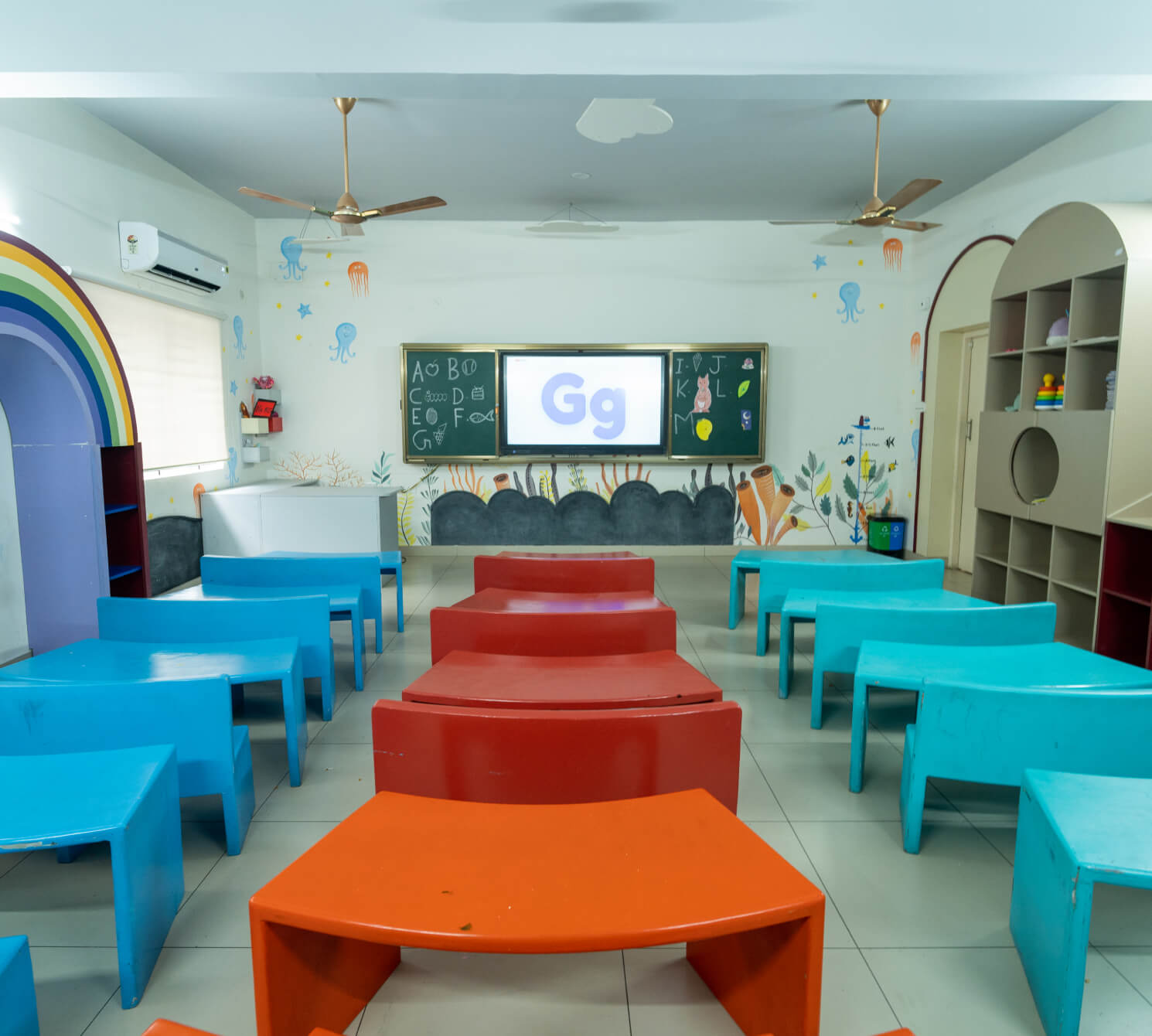
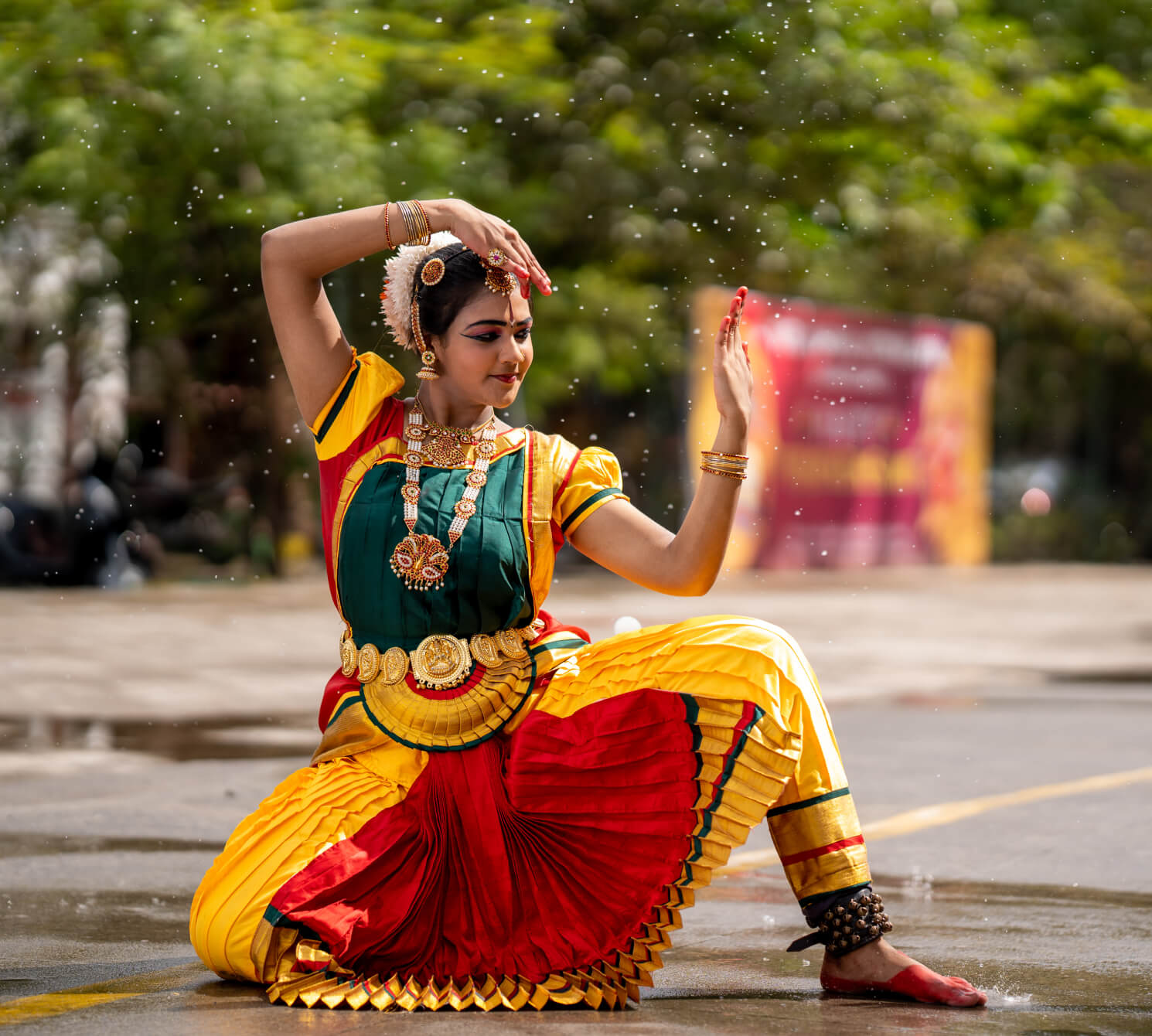

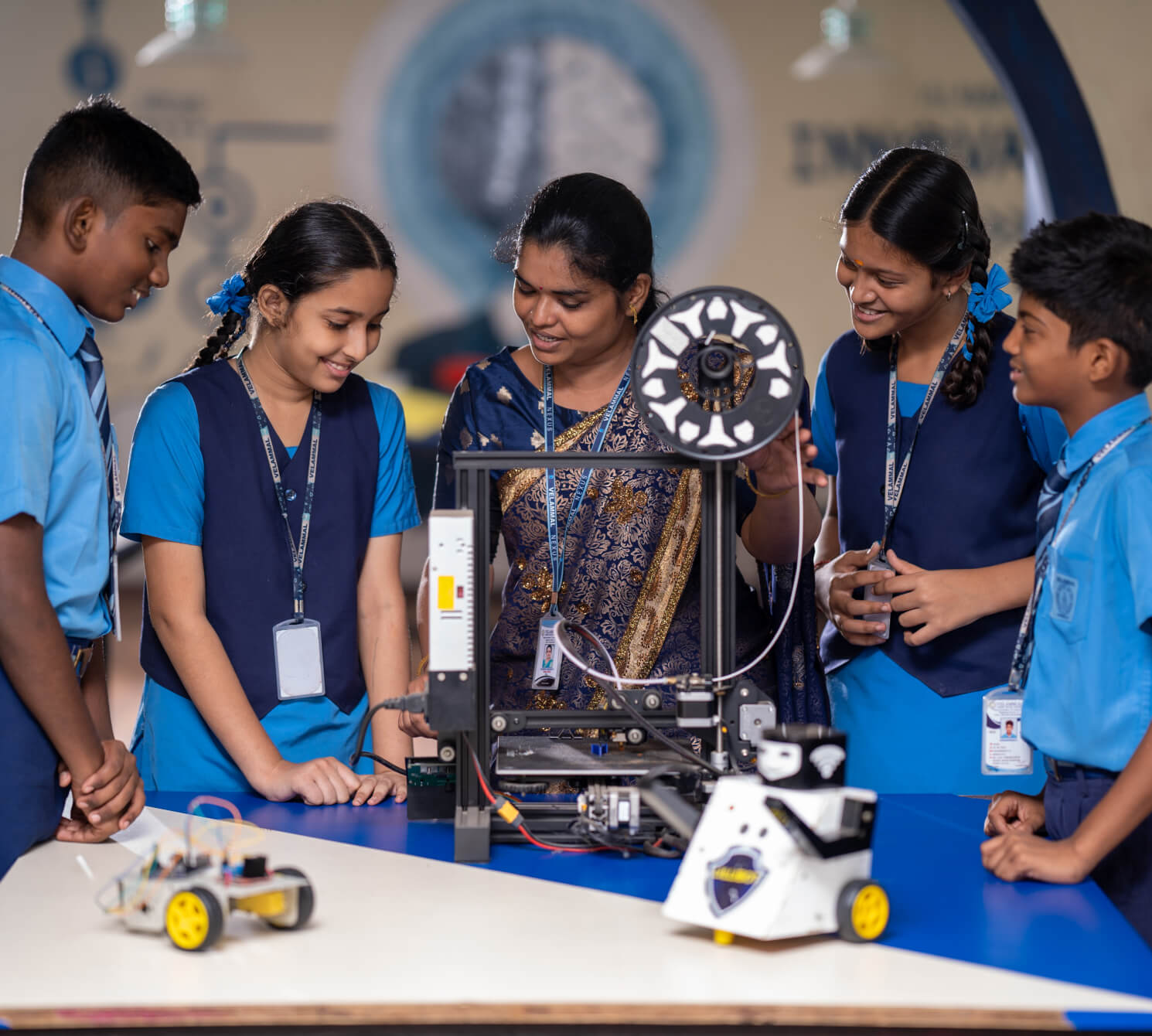
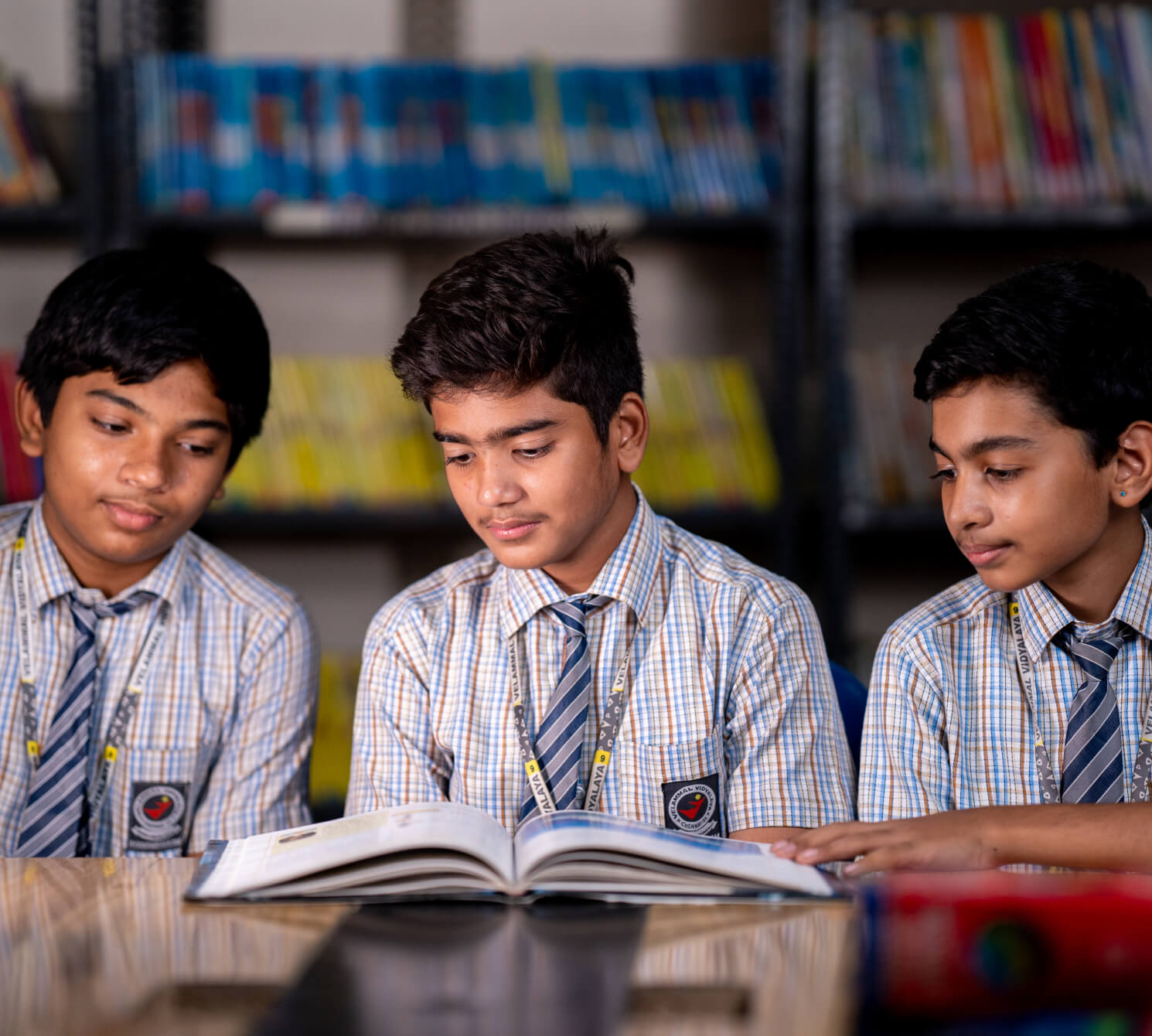
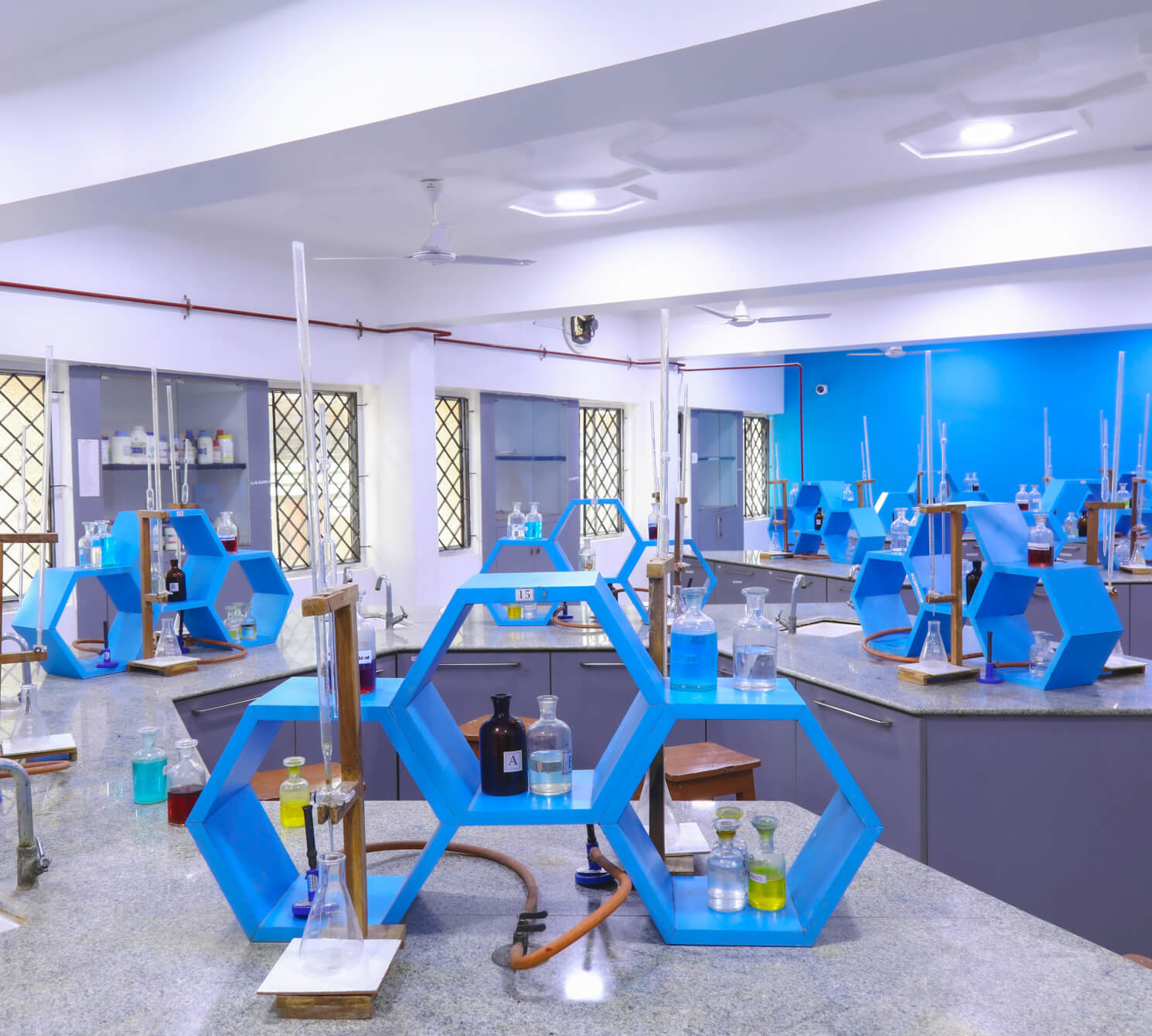
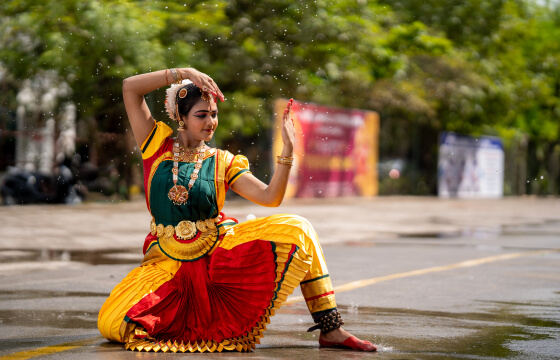

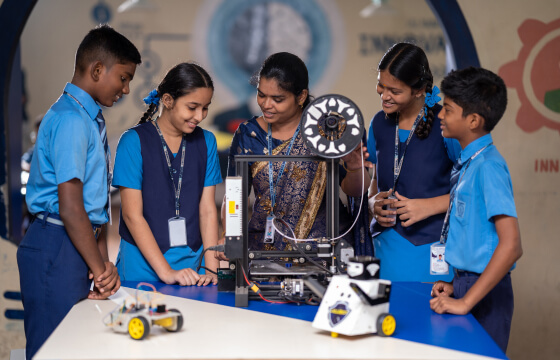
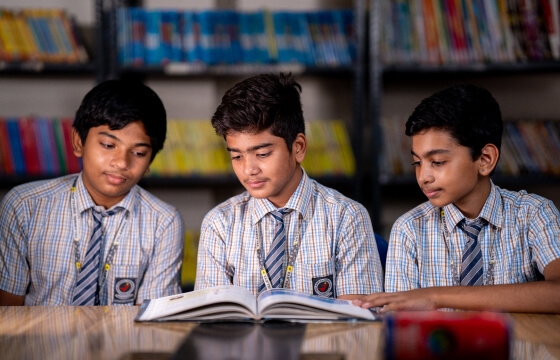
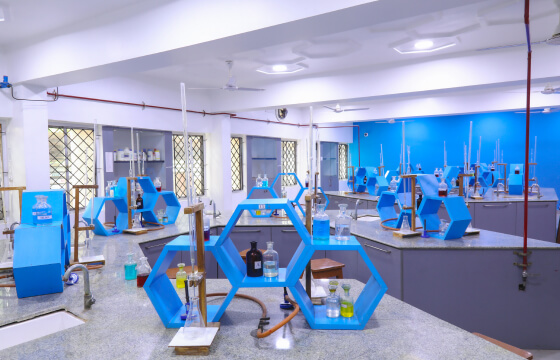







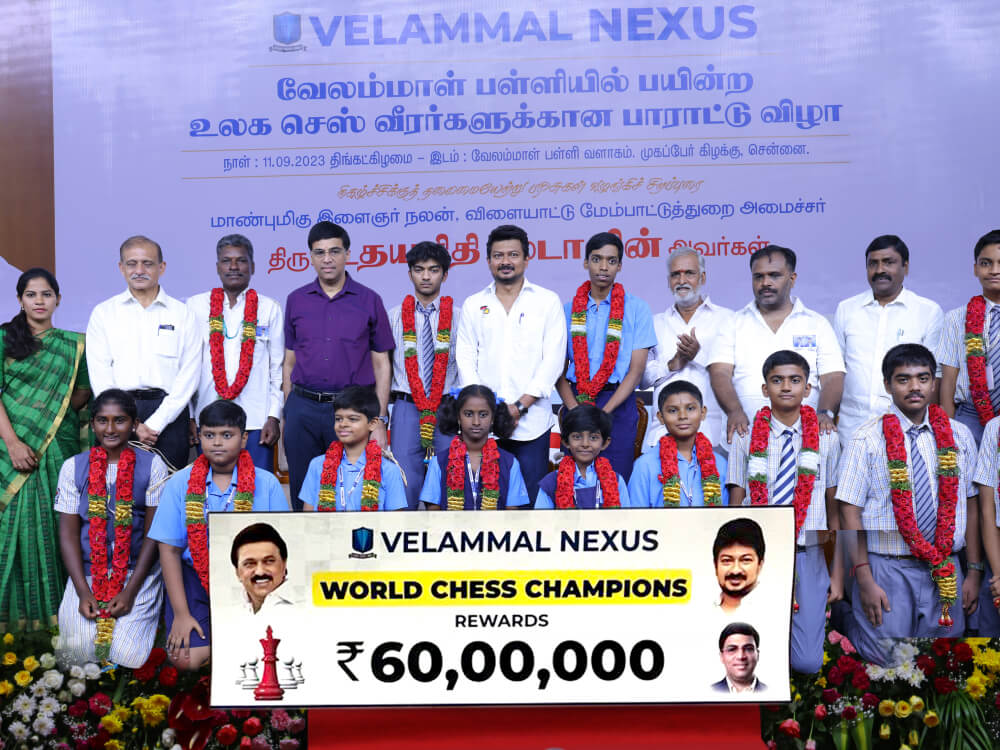
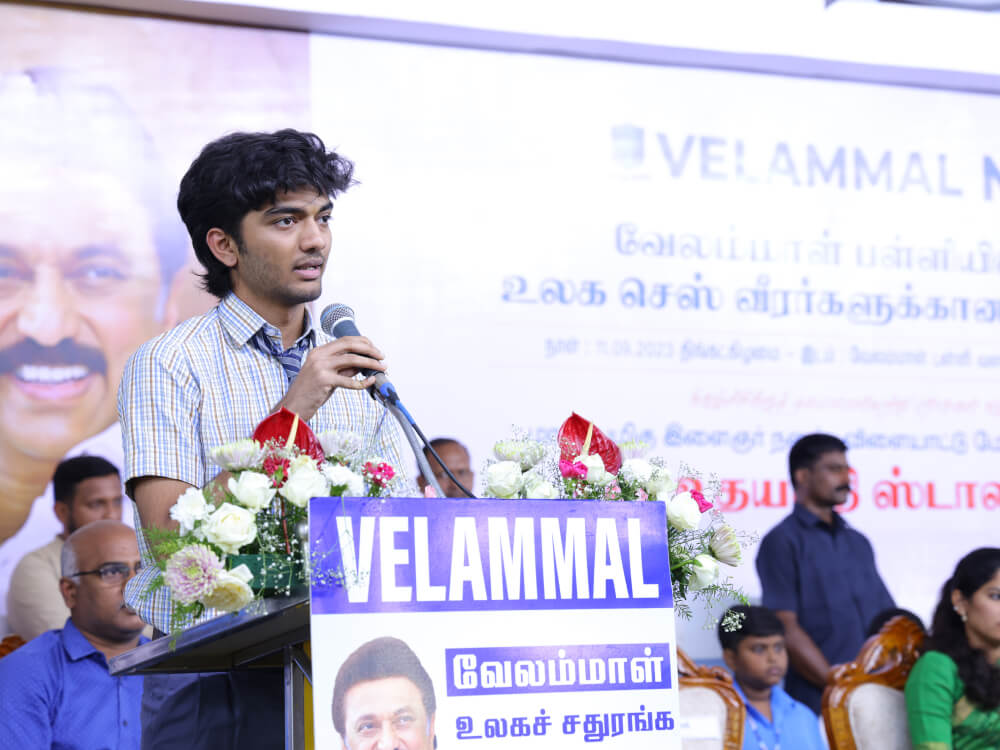
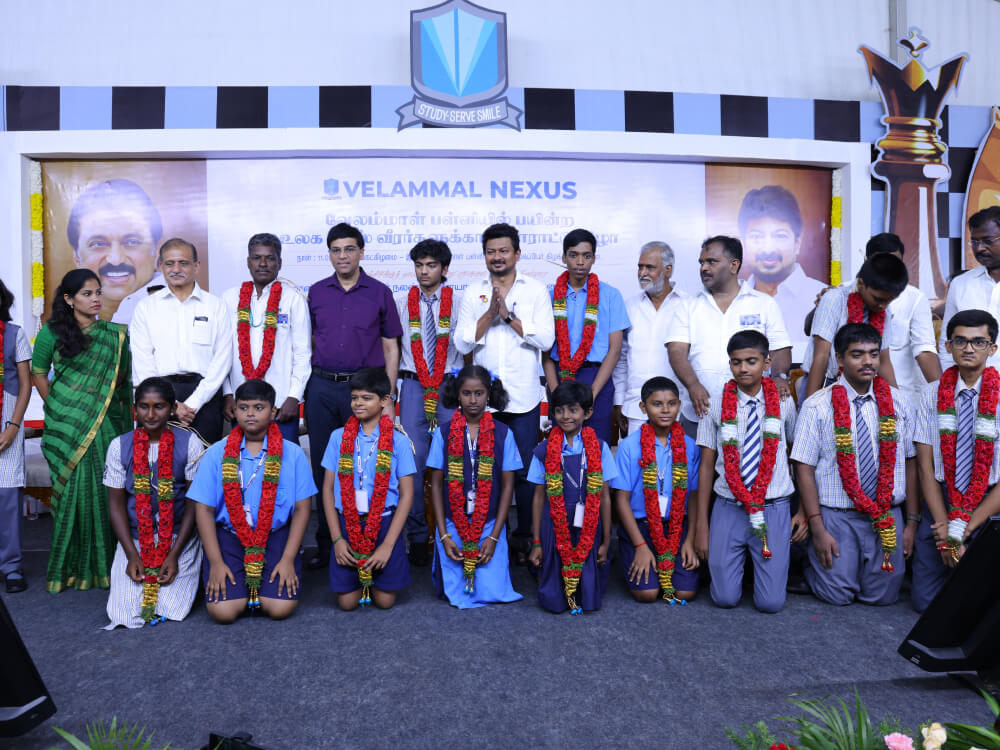
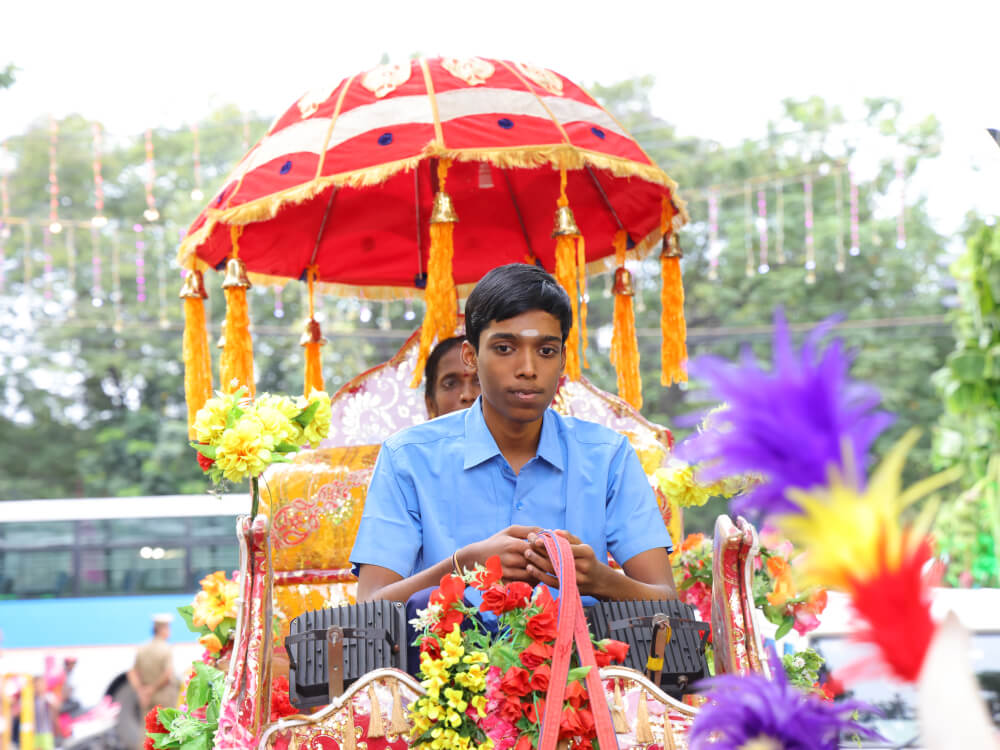
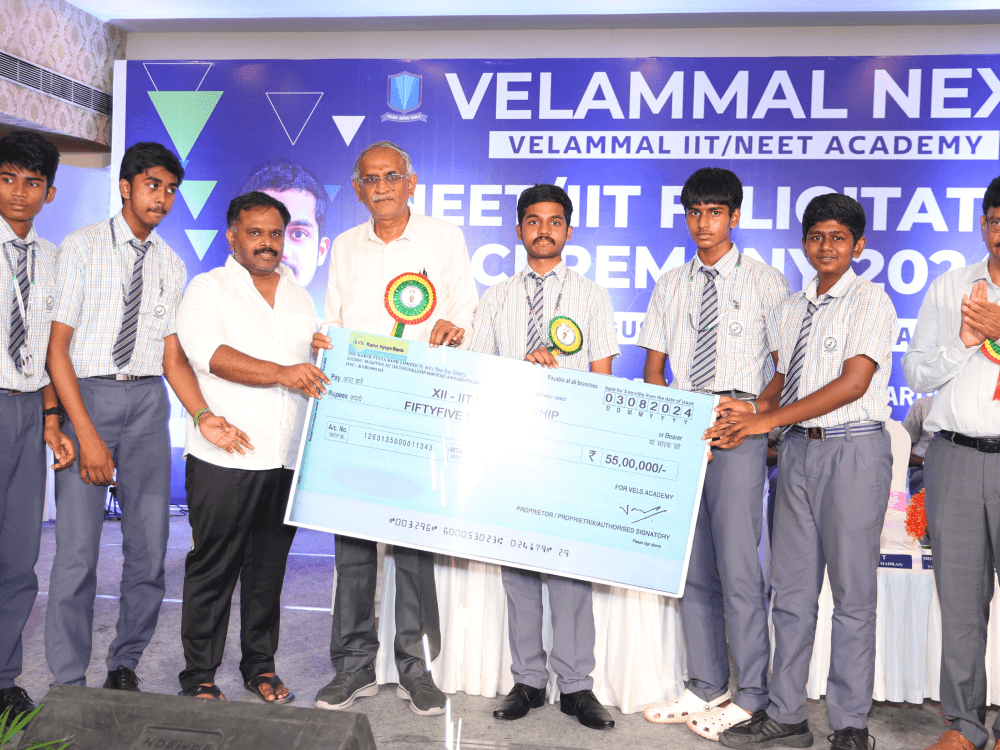
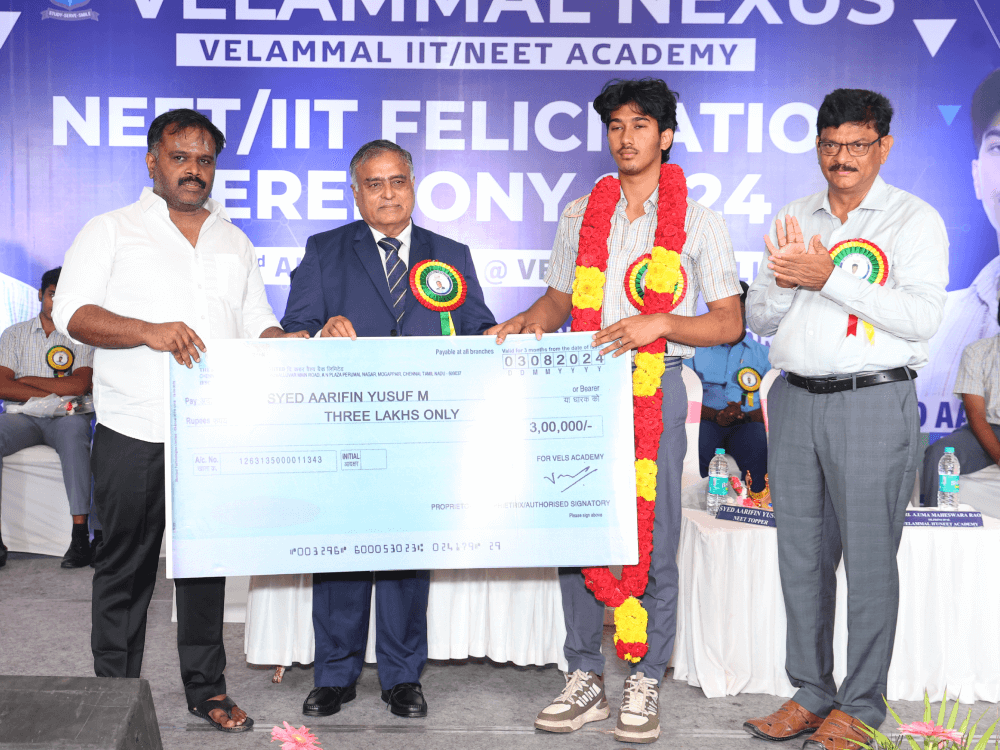
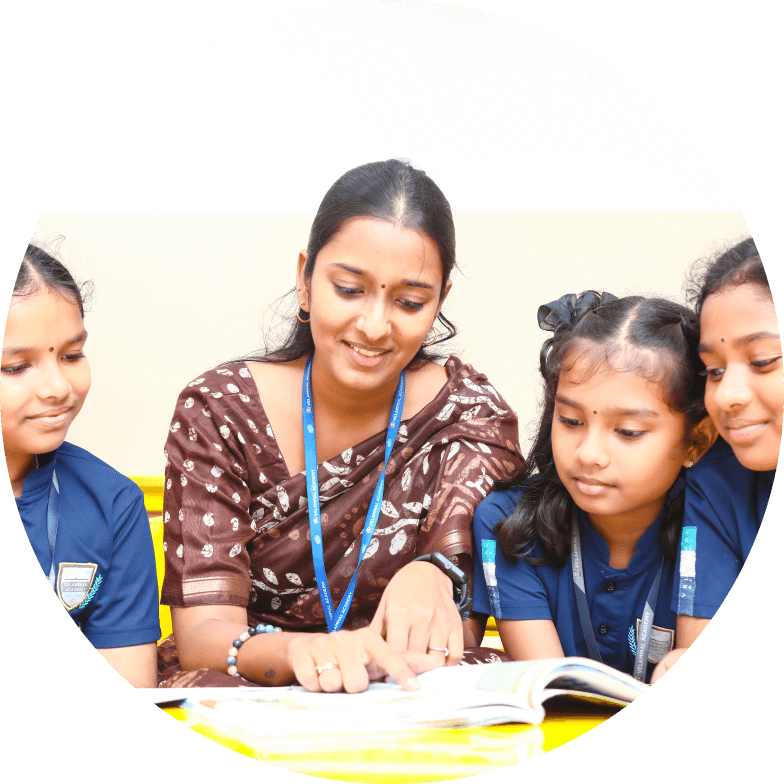
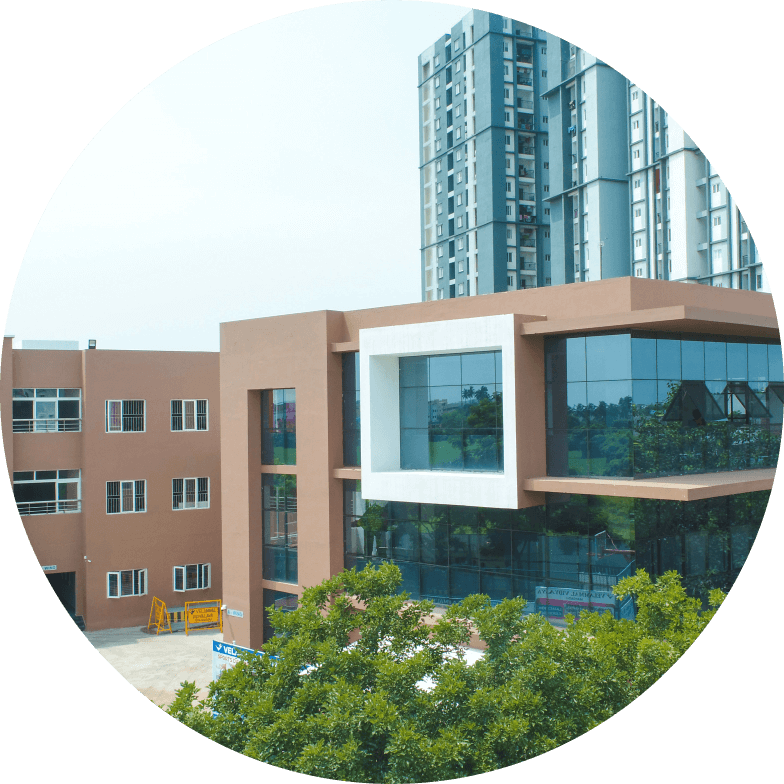
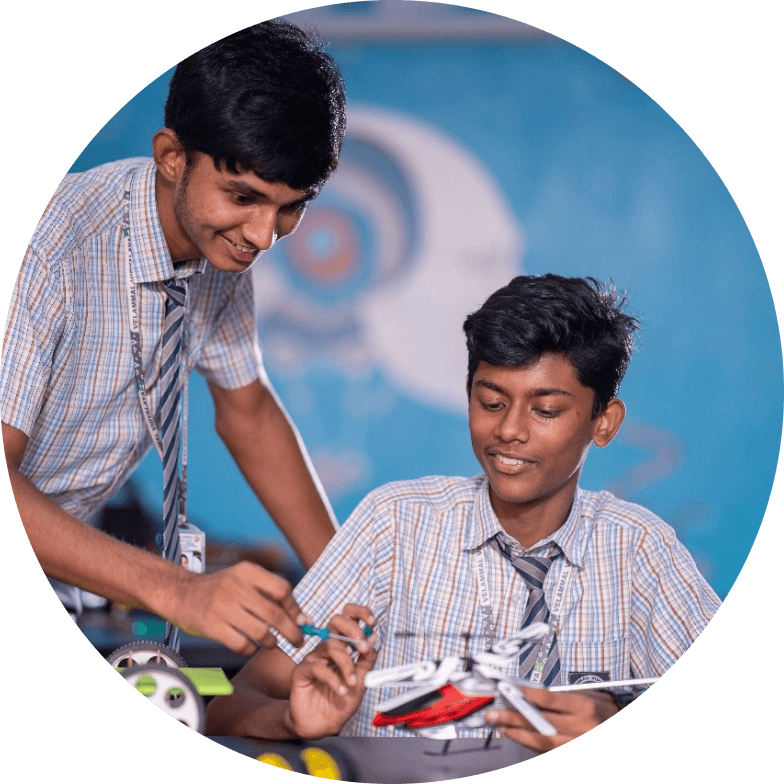
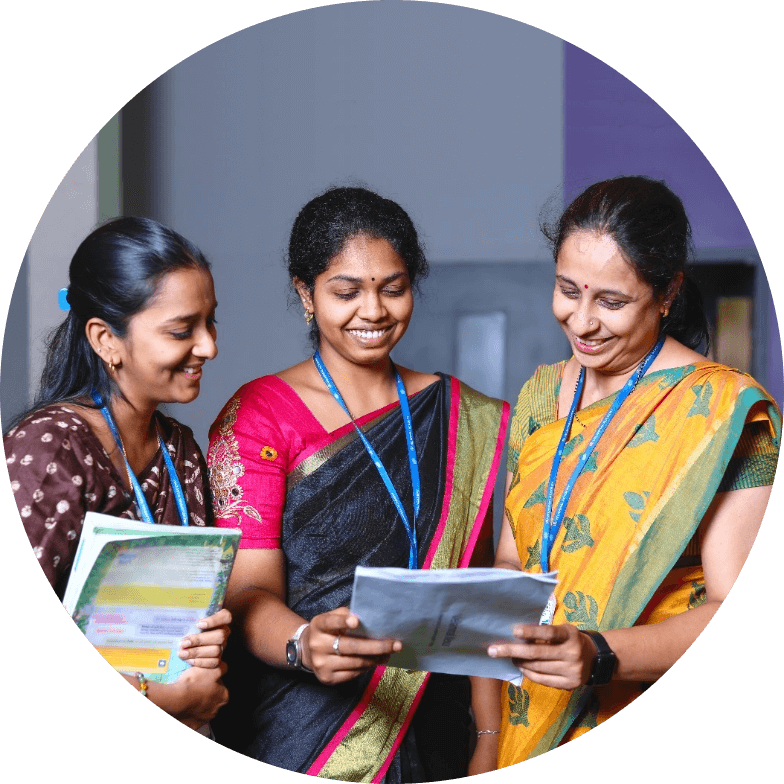
We are proud to showcase the exceptional highlights of Velammal. Witness the transformative impact we can have on your child's future.
Read More