How they use specific terrain, such as mountains or urban centers, to their advantage.
Examining how traditional clan associations undermined foreign intervention.
How the group defines "winning" and combat.
Understanding decentralized or tribal leadership structures.
The authors contend that Western military planning often fails because it focuses on measurable statistics—like enemy manpower and equipment—while ignoring the that actually drives these groups. To bridge this gap, they propose a six-part analytical framework to evaluate unconventional threats:
How they use specific terrain, such as mountains or urban centers, to their advantage.
Examining how traditional clan associations undermined foreign intervention.
How the group defines "winning" and combat.
Understanding decentralized or tribal leadership structures.
The authors contend that Western military planning often fails because it focuses on measurable statistics—like enemy manpower and equipment—while ignoring the that actually drives these groups. To bridge this gap, they propose a six-part analytical framework to evaluate unconventional threats:






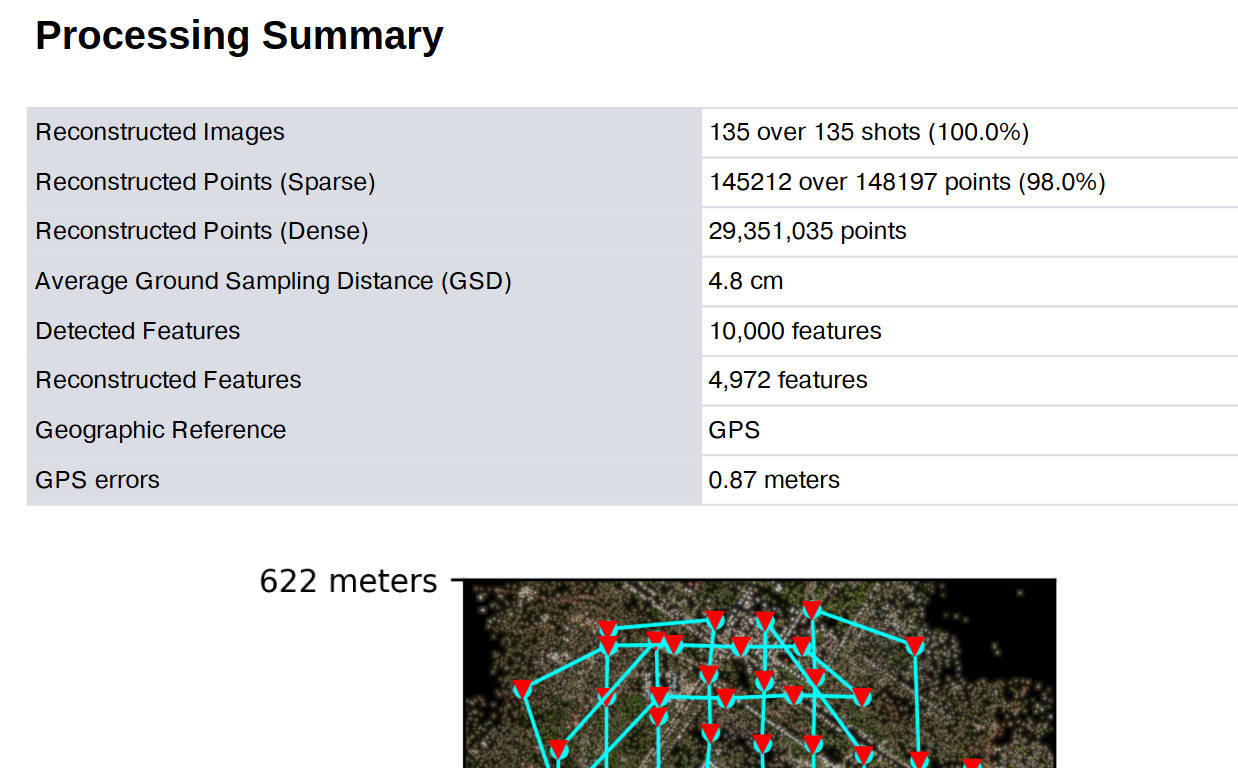
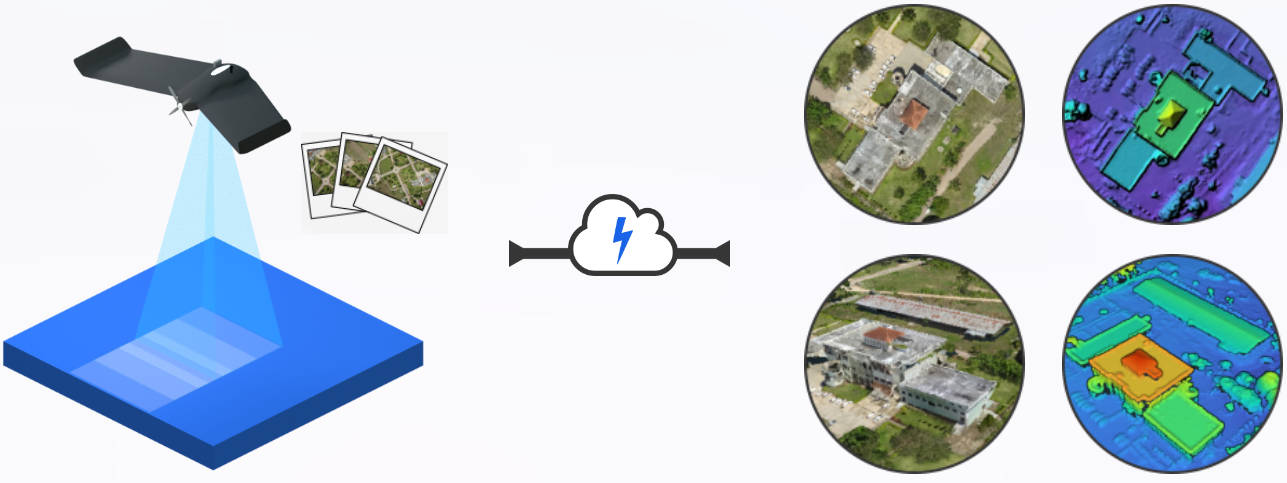
 WebODM